
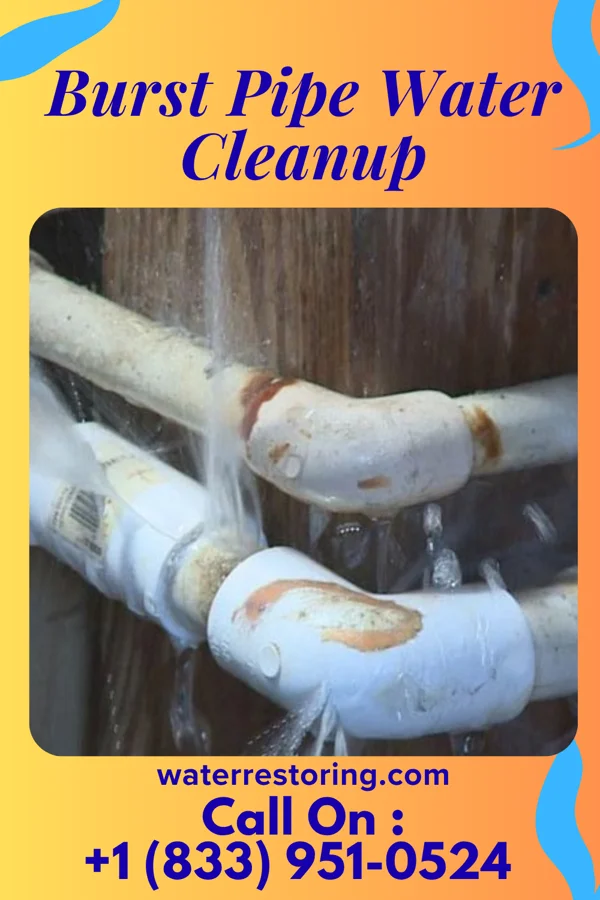
Why Burst Pipes Hit Plover Hard
The pattern in Plover is consistent. Plover, Wisconsin experiences frequent temperature fluctuations that can cause pipes to expand and contract, increasing the risk of bursts, especially in older homes with outdated plumbing. The city's suburban layout means many homes are not insulated against sudden cold snaps, making burst pipes a common issue during winter months. drives most of the emergency restoration calls we get. A close second is The presence of nearby towns like Whiting and Stevens Point means that water pressure variations across the region can affect Plover's local water supply, increasing the likelihood of pipe bursts in residential areas. Additionally, the area's high population density in Portage County leads to more frequent plumbing maintenance needs..
Plover's climate, characterized by cold winters and mild summers, plays a significant role in pipe integrity. The region's frequent freeze-thaw cycles can weaken pipes over time, making burst pipe incidents more likely, especially in older or poorly maintained homes.
Plover's climate, characterized by cold winters and mild summers, plays a significant role in pipe integrity. The region's frequent freeze-thaw cycles can weaken pipes over time, making burst pipe incidents more likely, especially in older or poorly maintained homes. The dominant local driver is Plover, Wisconsin experiences frequent temperature fluctuations that can cause pipes to expand and contract, increasing the risk of bursts, especially in older homes with outdated plumbing. The city's suburban layout means many homes are not insulated against sudden cold snaps, making burst pipes a common issue during winter months., with The presence of nearby towns like Whiting and Stevens Point means that water pressure variations across the region can affect Plover's local water supply, increasing the likelihood of pipe bursts in residential areas. Additionally, the area's high population density in Portage County leads to more frequent plumbing maintenance needs. showing up as the next most common cause. Damage builds in stages. Spread. Absorption. Microbial growth. Structural compromise. Every stage you pass through adds to the final bill.